- Ananth Residency, Sadashiv Nagar, Belagavi, Karnataka 590019
- Get Location
- +91 8904178867
- 383rohan@gmail.com

 Advanced Orthopaedic, Joint Replacement & Spine Care Center
Spine Care – Dr. Rohan
Spinal Stenosis Surgery
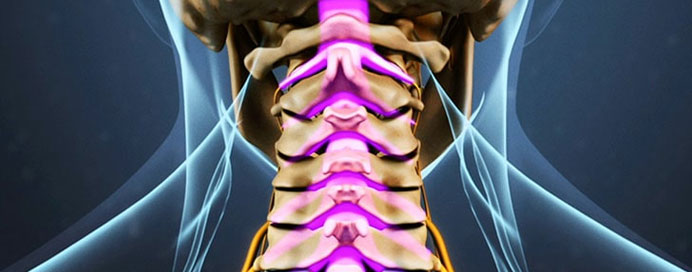
Spinal Stenosis Surgery is performed to relieve pressure on the spinal cord or nerve roots caused by narrowing of the spinal canal. Spinal stenosis commonly affects the lumbar (lower back) and cervical (neck) regions and may lead to back pain, leg pain, numbness, tingling, weakness, or difficulty walking. Surgery is usually recommended when conservative treatments such as medications, physiotherapy, and injections fail to provide adequate relief. The primary goal of surgery is to decompress the nerves and improve mobility and quality of life.
When is Surgery Required?
Surgery may be advised in the following situations:
- Persistent leg or arm pain despite non-surgical treatment
- Progressive numbness or weakness
- Difficulty in walking (neurogenic claudication)
- Loss of balance or coordination
- Severe spinal cord or nerve compression on MRI
Common Surgical Procedures
- Laminectomy (Decompression Surgery): Removal of a portion of the bone (lamina) to widen the spinal canal and relieve nerve pressure.
- Laminotomy: Partial removal of the lamina to create more space for the compressed nerve.
- Spinal Fusion: Stabilization of the spine using screws and rods if there is associated instability.
- Minimally Invasive Decompression: Advanced technique using small incisions and specialized instruments for faster recovery.
Recovery & Benefits
Most patients experience significant relief from leg pain and improved walking ability after surgery. Minimally invasive techniques allow smaller incisions, less blood loss, and shorter hospital stays. With proper rehabilitation and physiotherapy, patients can return to daily activities safely and comfortably.