- Ananth Residency, Sadashiv Nagar, Belagavi, Karnataka 590019
- Get Location
- +91 8904178867
- 383rohan@gmail.com

 Advanced Orthopaedic, Joint Replacement & Spine Care Center
Joint Replacement – Dr. Pooja
Hip Hemi Replacement
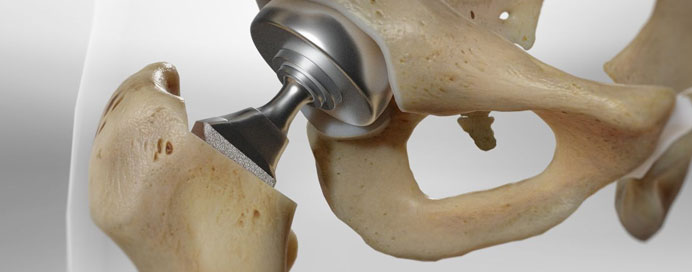
Hip Hemi Replacement (Hemiarthroplasty) is a surgical procedure in which only the femoral head (ball portion of the hip joint) is replaced with a prosthetic implant, while the natural acetabulum (hip socket) is preserved. It is most commonly performed in elderly patients with displaced femoral neck fractures or in cases where the socket remains healthy. The primary goal of hip hemi replacement is to relieve pain, restore mobility, and allow early weight-bearing, especially in patients who may not be ideal candidates for total hip replacement.
- Effective Pain Relief: The damaged femoral head is replaced, significantly reducing hip pain caused by fracture or joint damage.
- Shorter Surgical Time: Compared to total hip replacement, hemiarthroplasty is generally a quicker procedure with less operative time.
- Early Mobilization: Patients are often encouraged to stand and walk with support within a day or two after surgery.
- Suitable for Elderly Patients: It is commonly recommended for elderly individuals with hip fractures, especially when the socket is intact.
- Improved Functional Recovery: With proper rehabilitation, most patients regain mobility and independence for daily activities.