- Ananth Residency, Sadashiv Nagar, Belagavi, Karnataka 590019
- Get Location
- +91 8904178867
- 383rohan@gmail.com

 Advanced Orthopaedic, Joint Replacement & Spine Care Center
Best Fracture Management in Belagavi
Peri-articular Fracture Management
Best Fracture Management in Belagavi
Fracture and Trauma Management
Fractures and trauma care are essential components of orthopedic treatment that focus on the proper diagnosis, management, and recovery of bone injuries. A Fracture is defined as a break or crack in a bone, which can occur due to accidents, falls, sports injuries, or underlying health conditions that weaken the bones. Timely medical attention is crucial to ensure proper healing and to avoid long-term complications.
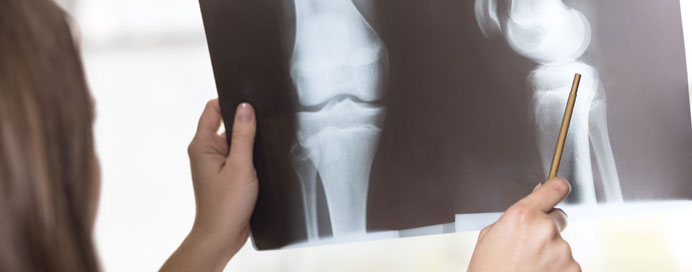
Patients seeking the Best Fracture Management in Belagavi have access to advanced healthcare facilities, experienced orthopedic specialists, and modern treatment techniques. Accurate diagnosis plays a key role in effective treatment, and hospitals use advanced imaging technologies such as X-rays, CT scans, and MRI scans to assess the severity of the injury. These tools help doctors develop personalized treatment plans for faster and safer recovery.
Patients seeking the Best Fracture Management in Belagavi have access to advanced healthcare facilities, experienced orthopedic specialists, and modern treatment techniques.Accurate diagnosis plays a key role in effective treatment, and hospitals use advanced imaging technologies such as X-rays, CT Scans , and MRI scans to assess the severity of the injury. These tools help doctors develop personalized treatment plans for faster and safer recovery.
Trauma care is closely linked with fracture management, especially in emergency situations. Whether the injury is minor or involves multiple fractures and soft tissue damage, comprehensive trauma care ensures immediate response, proper stabilization, surgical intervention when necessary, and post-treatment rehabilitation. This integrated approach improves patient outcomes and supports complete recovery.
Symptoms of a Bone Fracture
The symptoms of a bone fracture can vary depending on the severity and location of the injury, but certain signs are commonly observed. Patients often experience intense pain at the site of injury, along with swelling and bruising. In many cases, the affected area may appear deformed or out of alignment, making it difficult or impossible to move the injured part.
There may also be tenderness, where even a slight touch causes discomfort, and sometimes a grinding sensation can be felt when the broken bone ends rub against each other. In more serious cases, the bone may pierce through the skin, which is known as an open fracture and requires immediate medical attention. Fractures involving the ribs or spine may lead to breathing difficulties or nerve-related symptoms such as numbness and tingling.
Types of Bone Fractures
Bone Fractur are classified based on how the bone breaks, the cause of the injury, and the location in the body. A simple fracture occurs when the bone breaks but does not pierce the skin, while an open fracture involves the bone breaking through the skin, increasing the risk of infection. Stress Fractures develop gradually due to repetitive strain, particularly in athletes or individuals with physically demanding routines.In some cases, the bone may shatter into multiple pieces, which is referred to as a comminuted fracture. Another type, commonly seen in children, is the greenstick fracture, where the bone bends and partially breaks rather than completely separating.
Diagnosis of Fractures
Proper Diagnosis is essential to determine the type and severity of a fracture and to plan the most effective treatment. X-rays are the most commonly used imaging technique and are usually the first step in identifying a fracture. For more complex injuries, CT scans provide detailed cross-sectional images of the bone, while MRI scans are helpful in detecting soft tissue damage and subtle fractures that may not be visible on X-rays.
Causes of Broken Bones
Fractures occur when the force applied to a bone exceeds its strength. One of the most common causes is trauma, which includes falls, road accidents, sports injuries, or direct physical impact. High-impact incidents such as car accidents or falls from significant heights can lead to severe or multiple fractures.
Another major contributing factor is osteoporosis, a condition that causes bones to become weak and brittle, making them more susceptible to fractures even from minor falls or routine activities. Repetitive stress is also a known cause, particularly among athletes, where continuous strain leads to small cracks in the bone over time.
Certain medical conditions, including bone infections, tumors, and nutritional deficiencies such as low calcium or vitamin D levels, can weaken bones and increase the risk of fractures. Additionally, Long-Term use of medications like corticosteroids can reduce bone density, making bones more fragile.
Treatment for Fractures
The Treatment of fractures depends on the type, location, and severity of the injury. The primary goal is to realign the bone and keep it stable during the healing process. In many cases, non-surgical treatment is sufficient, where the affected area is immobilized using casts, splints, or braces. Pain management and medications are also used to support recovery and prevent complications.In more severe cases, surgical intervention may be required. This involves the use of metal plates, screws, or rods to hold the broken bone fragments together and ensure proper alignment. Surgery helps stabilize complex fractures and promotes effective healing.Rehabilitation is a crucial part of the recovery process. Physiotherapy helps restore strength, flexibility, and mobility, allowing patients to return to their normal activity
Frequently Asked Questions
What is fracture management?
Fracture management refers to the diagnosis, treatment, and rehabilitation of broken bones. The goal is to ensure proper healing, restore function, and prevent complications.
How do I know if I have a fracture?
Common signs include severe pain, swelling, bruising, deformity, and difficulty moving the affected area. In some cases, you may hear a snapping sound at the time of injury.
What should I do immediately after a fracture?
Avoid moving the injured area, apply a splint if possible, use ice to reduce swelling, and seek medical attention immediately. Delaying treatment can worsen the injury.
When is surgery required for a fracture?
Surgery is usually recommended for complex fractures, displaced bones, joint involvement, or when bones cannot heal properly with casting alone.